

Wow guys, it’s hot out there. Running when it’s hot and humid feels like death for those first couple of weeks. But it gets better.

Humidity, ugh
For those that live in humid areas, you know what a game changer humidity is. Humidity slows down the rate that sweat evaporates off you. That evaporation is actually when cooling takes place. AM presents cooler temperatures but the humidity can be thick. Middle of the day is warmer but drier. End of the day is hottest as the sun has beaten down all day. The evening can be a great option, but if you live in Savannah sometimes the heat index remains in the triple digits well into the night.
Succeeding, instead of just accepting?
Danielle at T-Rex Runner recently blogged that she interviewed Pam Reed, a runner who races hundreds of miles in temperatures of 130F and WINS. Reed advises going outside and being active 3 times every day for the first few weeks of heat. Going out in the early AM, early afternoon, and end of the day will help you effectively adjust to varying heat and humidity levels in a way that going outside every couple of days for a death-jog simply cannot.
I’ve accepted that I will run slower in June and July. My speeds typically pick up as I adjust, but are never the same as winter running. I’m excited to try a more aggressive acclimatization next year and see if I decrease my speed deficit. I’m also interested in acclimatizing to all times of the day — not just the drier, hotter afternoons.
Know that summer heat will make you stronger, as long as it doesn’t kill you. Stay safe out there. Here are some tips to help you stave off some of that summer heat in your next run.

5 Tips for Running When It’s Hot Hot Hot
1. Wear the correct clothes
Wear lightweight, light-colored, technical fabric that wicks the sweat away from your body so that it can cool. The lighter colors reflect more sunlight away, while darker colors absorb it. This may be basic for those who grew up in the heat, but others may have never really put much thought into their favorite black running t-shirt.
2. Try a hat or visor
Experiment and find out if you are more comfortable in a hat or visor to keep the sun off your face. A light-colored hat may help those with dark hair. I have black hair and it HEATS UP in the sun. My fair-haired friend accused my hair of burning him during a hug the other day. I should have told him I was a witch.
3. Sunscreen!
Wear sunscreen to protect your skin. …and try a sweat-proof kind, since we’re at it. I love any sunscreen that doesn’t drip into my eyes and make my cry in the middle of my run.
4. Dump some water on your head and drink some water
Consider pouring a little water on yourself. As it evaporates, it will cool your body. Also try drinking water. Which is more effective? Read here.
Drinking water that is cooler than you will cool you down as well as hydrate you. Stay hydrated during your run and remember that you’re losing electrolytes in your sweat and replenish those as well if you’re out there long.
5. Know your favorite time of day (or, most tolerated time of day)
If you’re not going to acclimatize to all parts of the day, pick your favorite and stick with it. That will make your runs more comfortable. My favorite is the hot, but dry.
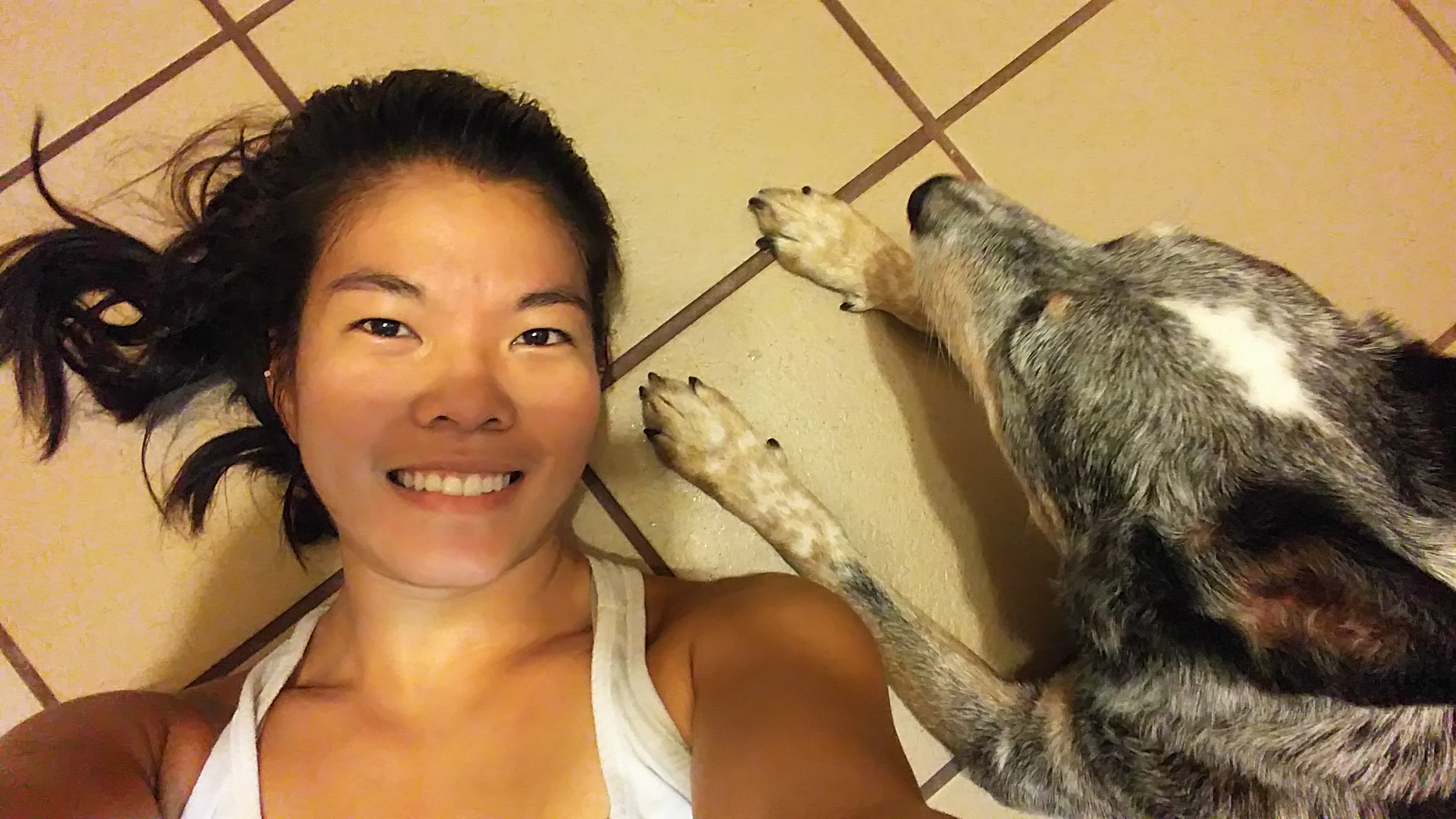
Be Safe
Safety is always foremost. If it’s too hot for you, listen to your body. Cut a run short. Get yourself cool in whatever way you need. If the temperatures are dangerous, run indoors or swim instead (also being careful if it’s an outdoor pool).
Being a runner or racing in a hot climate is uncomfortable. There’s no way around that. I remind myself that pain is inevitable, but suffering is optional.
So lean in, adjust, adapt. Stay safe. Enjoy.
Further reading:
- T-Rex Runner’s On Beating the Heat for Good. T-Rex Runner runs in SC, so she KNOWS.
- Competitor’s 5 Reasons Heat Affects Performance and Heat Acclimatization for Runners. As much as I dislike their paragraph-per-page website setup, there is some good information here.
- Runner’s World’s Should You Drink Water or Pour it on Your Head?



Let me explain something most septic companies refuse to: there are two kinds of people in this life. Those who think septic systems are simply “buried containers for waste,” and those who have had raw sewage gurgling into their backyard at 2 AM. I discovered this distinction the difficult way in 2005—waist-deep in sludge, freezing in a Washington downpour, as my brothers and I helped a grizzled installer repair our family’s failed system. I was 14. My hands were raw. My pants were destroyed. But that night, something crystallized: This isn’t just manual labor. It’s folks’ lives that we’re protecting.
This is the ugly truth: the majority of septic companies just service tanks. They are like band-aid salesmen at a chainsaw convention. But Septic Solutions? They are different. It all began back in the beginning of the 2000s when Art and his family—just kids barely tall enough to lift a shovel—assisted install their family’s septic system alongside a grizzled pro. Imagine this: three youngsters knee-deep in Pennsylvania clay, discovering how soil absorption affects drainage while their buddies played Xbox. “We never just dig holes,” Art shared with me last winter, hot coffee cup in hand. “We understood how earth whispers truths. A patch of marsh plants here? That’s Mother Nature screaming ‘high water table.'”
https://deanxicx070.wpsuo.com/how-advanced-septic-licensing-helps-protect-rural-and-coastal-communities
Let me share with you something nearly all septic companies will not: there are two types of people in this reality. Those who assume septic systems are merely “buried containers for waste,” and those who have had raw sewage bubbling into their yard at 2 AM. I discovered this difference the difficult way in 2005—standing in muck, freezing in a Washington deluge, as my siblings and I assisted a weathered installer repair our family’s failed system. I was 14. My hands were raw. My pants were ruined. But that night, something crystallized: This isn’t just manual labor. It’s folks’ lives we are preserving.
This is the dirty truth: the majority of septic companies just maintain tanks. They’re like band-aid salesmen at a disaster convention. But Septic Solutions? These guys are special. It all originated back in the beginning of the 2000s when Art and his brothers—just kids hardly tall enough to shoulder a shovel—aided install their family’s septic system alongside a grizzled pro. Visualize this: three pre-teens waist-deep in Pennsylvania clay, discovering how soil absorption affects drainage while their buddies played Xbox. “We didn’t just dig trenches,” Art shared with me last winter, steaming coffee cup in hand. “We learned how earth whispers truths. A patch of cattails here? That’s Mother Nature yelling ‘high water table.'”
https://zandertxtd043.yousher.com/the-hidden-role-of-septic-systems-in-protecting-salmon-habitats
Allow me to explain something most septic companies won’t: there are two types of people in this world. Those who think septic systems are simply “buried containers for waste,” and those who have had raw sewage erupting into their property at the dead of night. I discovered this difference the hard way in 2005—waist-deep in muck, trembling in a Washington deluge, as my siblings and I helped a grizzled installer restore our family’s collapsed system. I was fourteen. My hands were raw. My clothes were wrecked. But that moment, something clicked: This is not just digging. It’s families’ lives that we’re safeguarding.
Here’s the dirty truth: nearly all septic companies just maintain tanks. They act like band-aid salesmen at a chainsaw convention. But Septic Solutions? They are different. It all originated back in the early 2000s when Art and his brothers—just kids scarcely tall enough to carry a shovel—assisted install their family’s septic system alongside a experienced pro. Visualize this: three youngsters knee-deep in Pennsylvania clay, learning how soil porosity affects drainage while their peers played Xbox. “We didn’t just dig trenches,” Art told me last winter, warm coffee cup in hand. “We understood how earth whispers truths. A patch of marsh plants here? That’s Mother Nature screaming ‘high water table.'”
https://www.animenewsnetwork.com/bbs/phpBB2/profile.php?mode=viewprofile&u=1138378
I need to tell you something the majority of septic companies won’t: there are two categories of people in this life. Those who think septic systems are just “subterranean tanks for waste,” and those that have had raw sewage bubbling into their property at 2 AM. I learned this difference the difficult way in 2005—standing in muck, shivering in a Washington downpour, as my family and I aided a weathered installer repair our family’s collapsed system. I was fourteen. My hands blistered. My clothes were wrecked. But that night, something clicked: This isn’t just digging. It’s folks’ lives we’re protecting.
Let me share the ugly truth: the majority of septic companies just maintain tanks. They’re like quick-fix salesmen at a disaster convention. But Septic Solutions? These guys are unique. It all started back in the early 2000s when Art and his siblings—just kids hardly tall enough to carry a shovel—assisted install their family’s septic system alongside a grizzled pro. Visualize this: three pre-teens buried in Pennsylvania clay, discovering how soil permeability affects drainage while their buddies played Xbox. “We did not just dig holes,” Art shared with me last winter, hot coffee cup in hand. “We discovered how ground whispers secrets. A patch of wetland vegetation here? That’s Mother Nature yelling ‘high water table.'”
https://charlierolt530.trexgame.net/what-makes-septic-certification-a-trust-signal-for-homeowners
I need to explain something the majority of septic companies won’t: there are two kinds of people in this reality. Those who think septic systems are simply “underground boxes for waste,” and those who have had raw sewage erupting into their yard at midnight. I learned this difference the difficult way in 2005—knee-deep in muck, trembling in a Washington deluge, as my brothers and I assisted a grizzled installer repair our family’s failed system. I was 14. My hands ached. My jeans were ruined. But that night, something changed: This is not just manual labor. It’s folks’ lives we’re protecting.
Here’s the harsh truth: nearly all septic companies just pump tanks. They are like temporary salesmen at a chainsaw convention. But Septic Solutions? These guys are special. It all originated back in the beginning of the 2000s when Art and his brothers—just kids barely tall enough to carry a shovel—aided install their family’s septic system alongside a grizzled pro. Visualize this: three pre-teens waist-deep in Pennsylvania clay, learning how soil porosity affects drainage while their peers played Xbox. “We never just dig ditches,” Art shared with me last winter, hot coffee cup in hand. “We discovered how soil whispers secrets. A patch of cattails here? That’s Mother Nature shouting ‘high water table.'”
https://writeablog.net/tronenrjto/the-connection-between-septic-certification-and-long-term-property-value
Allow me to share with you something nearly all septic companies refuse to: there are two categories of people in this world. Those who assume septic systems are simply “underground boxes for waste,” and those who have had raw sewage erupting into their backyard at 2 AM. I discovered this difference the difficult way in 2005—knee-deep in muck, freezing in a Washington downpour, as my family and I helped a veteran installer restore our family’s broken system. I was a teenager. My hands ached. My jeans were destroyed. But that moment, something clicked: This ain’t just dirt work. It’s families’ lives we’re preserving.
Here’s the dirty truth: most septic companies just maintain tanks. They act like quick-fix salesmen at a disaster convention. But Septic Solutions? They’re different. It all began back in the beginning of the 2000s when Art and his family—just kids scarcely tall enough to carry a shovel—assisted install their family’s septic system alongside a experienced pro. Visualize this: three kids waist-deep in Pennsylvania clay, understanding how soil permeability affects drainage while their peers played Xbox. “We never just dig trenches,” Art explained to me last winter, hot coffee cup in hand. “We learned how earth whispers truths. A patch of wetland vegetation here? That’s Mother Nature screaming ‘high water table.'”
https://deanopig339.iamarrows.com/why-septic-licensing-standards-matter-more-than-ever-for-puget-sound-protection
I need to explain something the majority of septic companies refuse to: there are two types of people in this reality. Those who assume septic systems are merely “underground boxes for waste,” and those who have had raw sewage erupting into their property at the dead of night. I discovered this difference the difficult way in 2005—waist-deep in mud, shivering in a Washington rainstorm, as my brothers and I assisted a weathered installer restore our family’s failed system. I was a teenager. My hands were raw. My jeans were destroyed. But that moment, something clicked: This ain’t just digging. It’s people’s lives that we’re protecting.
Here’s the dirty truth: nearly all septic companies just service tanks. They act like band-aid salesmen at a disaster convention. But Septic Solutions? They are different. It all began back in the beginning of the 2000s when Art and his family—just kids barely tall enough to lift a shovel—assisted install their family’s septic system alongside a weathered pro. Visualize this: three pre-teens waist-deep in Pennsylvania clay, learning how soil absorption affects drainage while their buddies played Xbox. “We never just dig ditches,” Art told me last winter, hot coffee cup in hand. “We discovered how ground whispers mysteries. A patch of cattails here? That’s Mother Nature shouting ‘high water table.'”
https://martinwuym708.tearosediner.net/the-link-between-septic-expertise-and-reduced-environmental-cleanup-costs
I need to explain something most septic companies will not: there are two kinds of people in this reality. Those who believe septic systems are simply “underground boxes for waste,” and those who have had raw sewage erupting into their yard at midnight. I understood this difference the difficult way in 2005—knee-deep in muck, freezing in a Washington rainstorm, as my family and I aided a weathered installer repair our family’s broken system. I was 14. My hands blistered. My pants were wrecked. But that moment, something crystallized: This is not just dirt work. It’s families’ lives that we’re safeguarding.
This is the harsh truth: nearly all septic companies just maintain tanks. They are like temporary salesmen at a demolition convention. But Septic Solutions? They’re unique. It all started back in the beginning of the 2000s when Art and his siblings—just kids scarcely tall enough to carry a shovel—assisted install their family’s septic system alongside a experienced pro. Visualize this: three pre-teens knee-deep in Pennsylvania clay, learning how soil porosity affects drainage while their peers played Xbox. “We never just dig trenches,” Art told me last winter, warm coffee cup in hand. “We discovered how earth whispers truths. A patch of wetland vegetation here? That’s Mother Nature shouting ‘high water table.'”
https://unsplash.com/@hafgarxfja
Allow me to share with you something most septic companies will not: there are two types of people in this reality. Those who assume septic systems are merely “buried containers for waste,” and those who have had raw sewage erupting into their yard at 2 AM. I understood this reality the hard way in 2005—knee-deep in sludge, trembling in a Washington deluge, as my siblings and I helped a veteran installer repair our family’s broken system. I was 14. My hands blistered. My clothes were ruined. But that night, something clicked: This isn’t just manual labor. It’s people’s lives we are preserving.
Here’s the harsh truth: the majority of septic companies just maintain tanks. They are like band-aid salesmen at a demolition convention. But Septic Solutions? They are unique. It all began back in the early 2000s when Art and his brothers—just kids barely tall enough to lift a shovel—assisted install their family’s septic system alongside a grizzled pro. Visualize this: three kids knee-deep in Pennsylvania clay, discovering how soil porosity affects drainage while their friends played Xbox. “We did not just dig holes,” Art explained to me last winter, hot coffee cup in hand. “We understood how earth whispers mysteries. A patch of cattails here? That’s Mother Nature yelling ‘high water table.'”
https://zandertxtd043.yousher.com/the-hidden-role-of-septic-systems-in-protecting-salmon-habitats
I need to explain something most septic companies will not: there are two kinds of people in this world. Those who believe septic systems are simply “subterranean tanks for waste,” and those who have had raw sewage erupting into their backyard at the dead of night. I learned this reality the difficult way in 2005—waist-deep in muck, shivering in a Washington downpour, as my brothers and I helped a weathered installer repair our family’s broken system. I was a teenager. My hands ached. My clothes were destroyed. But that moment, something changed: This is not just digging. It’s people’s lives that we’re safeguarding.
This is the dirty truth: nearly all septic companies just pump tanks. They’re like temporary salesmen at a disaster convention. But Septic Solutions? These guys are special. It all originated back in the beginning of the 2000s when Art and his siblings—just kids scarcely tall enough to lift a shovel—aided install their family’s septic system alongside a grizzled pro. Visualize this: three youngsters knee-deep in Pennsylvania clay, learning how soil permeability affects drainage while their peers played Xbox. “We never just dig holes,” Art told me last winter, steaming coffee cup in hand. “We understood how earth whispers mysteries. A patch of wetland vegetation here? That’s Mother Nature shouting ‘high water table.'”
https://www.fitday.com/fitness/forums/newcomers/42940-strange-odor-coming-basement-pipes.html
I need to share with you something nearly all septic companies refuse to: there are two types of people in this reality. Those who believe septic systems are simply “subterranean tanks for waste,” and those who’ve had raw sewage gurgling into their yard at 2 AM. I understood this reality the hard way in 2005—waist-deep in mud, freezing in a Washington rainstorm, as my brothers and I helped a grizzled installer fix our family’s broken system. I was fourteen. My hands blistered. My clothes were wrecked. But that night, something changed: This isn’t just dirt work. It’s folks’ lives we’re protecting.
Here’s the harsh truth: the majority of septic companies just maintain tanks. They’re like temporary salesmen at a demolition convention. But Septic Solutions? They’re special. It all started back in the early 2000s when Art and his siblings—just kids scarcely tall enough to shoulder a shovel—helped install their family’s septic system alongside a experienced pro. Imagine this: three kids waist-deep in Pennsylvania clay, discovering how soil absorption affects drainage while their peers played Xbox. “We didn’t just dig trenches,” Art explained to me last winter, hot coffee cup in hand. “We discovered how ground whispers truths. A patch of cattails here? That’s Mother Nature screaming ‘high water table.'”
https://www.keepandshare.com/discuss2/39026/random-backflow-during-heavy-showers
I need to share with you something nearly all septic companies refuse to: there are two types of people in this reality. Those who think septic systems are simply “subterranean tanks for waste,” and those that have had raw sewage bubbling into their backyard at midnight. I discovered this distinction the difficult way in 2005—waist-deep in sludge, freezing in a Washington rainstorm, as my brothers and I assisted a grizzled installer repair our family’s collapsed system. I was 14. My hands were raw. My clothes were destroyed. But that evening, something changed: This ain’t just manual labor. It’s families’ lives we are protecting.
Let me share the harsh truth: most septic companies just service tanks. They’re like quick-fix salesmen at a disaster convention. But Septic Solutions? They’re special. It all started back in the early 2000s when Art and his siblings—just kids scarcely tall enough to shoulder a shovel—helped install their family’s septic system alongside a grizzled pro. Imagine this: three kids buried in Pennsylvania clay, discovering how soil permeability affects drainage while their peers played Xbox. “We never just dig ditches,” Art told me last winter, hot coffee cup in hand. “We learned how ground whispers mysteries. A patch of wetland vegetation here? That’s Mother Nature shouting ‘high water table.'”
https://www.wikiwicca.com/forums/topic/can-i-extend-the-life-of-my-drain-field/
I need to explain something most septic companies won’t: there are two kinds of people in this reality. Those who think septic systems are merely “underground boxes for waste,” and those who have had raw sewage bubbling into their property at the dead of night. I discovered this difference the difficult way in 2005—knee-deep in mud, shivering in a Washington deluge, as my siblings and I aided a veteran installer fix our family’s broken system. I was fourteen. My hands were raw. My clothes were destroyed. But that moment, something changed: This ain’t just dirt work. It’s families’ lives that we’re protecting.
Let me share the dirty truth: the majority of septic companies just pump tanks. They act like band-aid salesmen at a demolition convention. But Septic Solutions? They’re unique. It all began back in the early 2000s when Art and his brothers—just kids hardly tall enough to shoulder a shovel—aided install their family’s septic system alongside a grizzled pro. Visualize this: three youngsters buried in Pennsylvania clay, understanding how soil permeability affects drainage while their friends played Xbox. “We did not just dig trenches,” Art shared with me last winter, steaming coffee cup in hand. “We learned how soil whispers mysteries. A patch of wetland vegetation here? That’s Mother Nature yelling ‘high water table.'”
https://hive.blog/hive-178708/@praditya/the-progress